

In today’s world, screens are everywhere. Tablets, phones, computers, and TVs dominate both adult and children’s lives. While technology has many benefits, too much screen time can impact children’s development, sleep, behavior, and family dynamics. The key is creating a screen-free routine that works for your family — one that balances technology with engaging, hands-on activities.
Here’s a step-by-step guide to help you reduce screen time, keep kids entertained, and make daily routines smoother.
1. Understand Your Family’s Screen Habits
Before making changes, take a look at your family’s current screen use. Consider:
- How much time does each child spend on screens daily?
- When do screens cause the most conflict or stress?
- Are screens being used for entertainment, education, or as a time-filler while you’re busy?
A simple one-week log of screen time can reveal patterns and help you set realistic, achievable limits.
2. Set Clear and Consistent Limits
Children thrive on structure, so setting clear rules around screen use is essential. You don’t need to eliminate screens completely — just create intentional limits. Examples include:
- No screens during meals or right before bed.
- Screen-free mornings to encourage active play or learning.
- Designated screen time windows for entertainment or educational content.
The key is consistency over perfection. Even small, regular changes can help children adjust.
3. Offer Engaging Alternatives
To make screen-free time enjoyable, provide activities that are interactive, creative, and educational. Some ideas include:
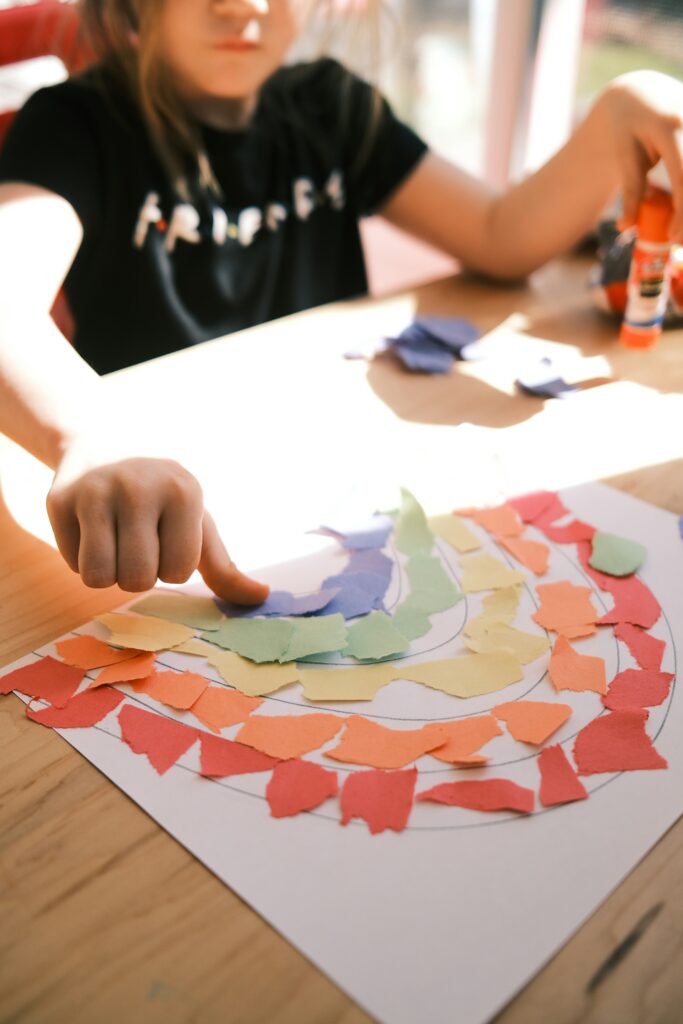
- Creative play: Arts, crafts, building blocks, or role play.
- Outdoor activities: Walks, bike rides, or playground trips.
- Quiet independent activities: Reading, puzzles, or board games.
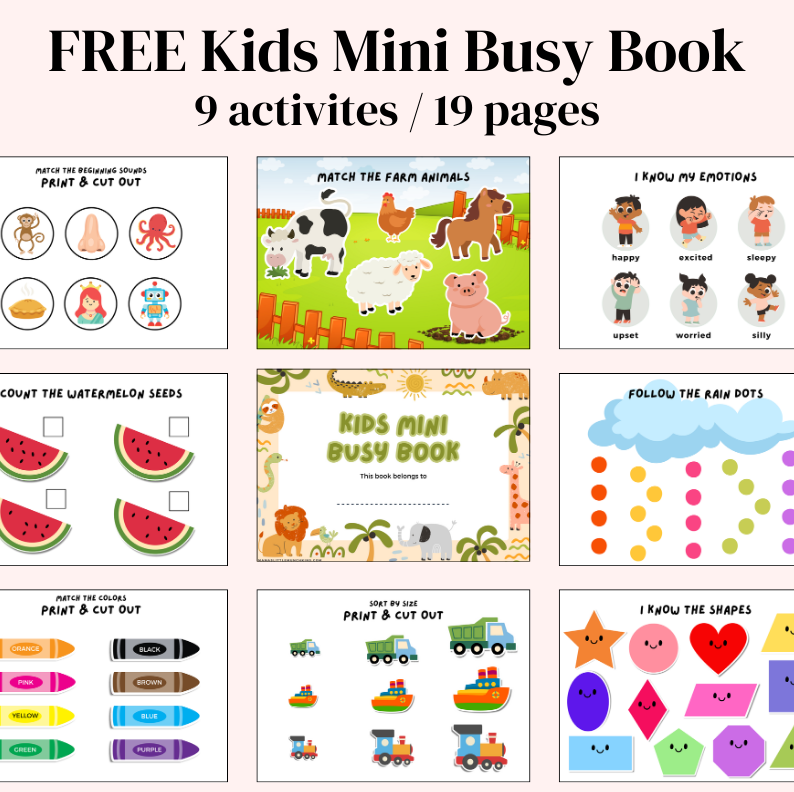
For parents looking for ready-made options, The Free Kids Mini Busy Book is a helpful tool. With 9 activities for kids aged 1-5, it covers early learning topics like counting, letters, colors, shapes, and problem-solving — perfect for independent, screen-free play. Click on the image below to download now!
4. Create a Flexible Daily Routine
A predictable but flexible routine helps children know what to expect and reduces daily conflicts. Here’s an example structure:
- Morning: Breakfast followed by creative play or educational activities.
- Midday: Outdoor time or family activities.
- Afternoon: Quiet activities, reading, or independent busy book tasks.
- Evening: Dinner together and winding down without screens.
Visual schedules, charts, or checklists help children understand what comes next and foster independence.
5. Involve the Whole Family
Children are more likely to follow screen-free rules when parents model healthy habits. Ideas for family participation include:
- Screen-free evenings for board games, reading, or storytelling.
- Nature outings or park visits without devices.
- Weekend challenges that focus on experiences rather than screens.
Integrating screen-free tools like the Free Kids Mini Busy Book can make these routines easier to maintain, especially when children need independent, engaging activities.
6. Support Development and Learning
Screen-free time doesn’t have to be “just for fun.” Interactive activities can support early childhood development, including:
- Cognitive skills: Problem-solving, memory, and attention.
- Motor skills: Tracing, puzzles, and hands-on play.
- Language and literacy: Reading, matching letters, or storytelling.
- Creativity: Drawing, coloring, and imaginative play.
By choosing activities that are both fun and educational, you create opportunities for growth while keeping children engaged.
7. Be Flexible and Celebrate Success
It’s important to remember that building a screen-free routine is a process. Be flexible and allow for occasional screen time when needed. Celebrate successes — even small ones — to reinforce positive habits. Stickers, charts, or extra playtime can help motivate children.
8. Practical Tips for Busy Families
- Plan ahead: Have a rotation of screen-free activities ready to avoid boredom.
- Use portable resources: Printable activity books are great for travel, waiting rooms, or quiet time at home.
- Model behavior: Reduce your own screen use during family time.
- Start small: Introduce one new screen-free habit at a time to avoid overwhelm.
Final Thoughts
Creating a screen-free routine is about balance, not restriction. By understanding your family’s habits, setting realistic limits, offering engaging alternatives, and modeling healthy behavior, you can make screen-free time enjoyable for children and manageable for parents.
