

In 2022, I got pregnant with my son with ease. It felt like everything happened just as it should, and I was incredibly grateful. Fast forward to June 2024—my son had recently turned 1 and my partner and I felt ready to try for baby number two. I was optimistic, hopeful, and excited to grow our family. Three months later, in August, I saw those two pink lines again. I was pregnant.
Sadly, that pregnancy ended in a missed miscarriage. Something I never thought was even possible. I guess until it happens to you, it doesn’t really cross your mind. But ultimately, I am now 1 out of 4 women who has suffered a pregnancy loss.
My Miscarriage Story
At around 10 weeks, I began experiencing mild cramps and a small amount of bleeding. Even though I knew they weren’t good signs, I was still niave to think nothing bad was going to happen. But after a scan, I received the heartbreaking news that our baby had passed away at 6 weeks and 6 days. My body had continued carrying the pregnancy for several more weeks, unaware of what had happened.
This is what’s known as a missed miscarriage—when the baby stops developing, but the body doesn’t immediately recognize the loss. There’s often no heavy bleeding or intense pain right away, which makes it particularly shocking and emotionally difficult when discovered. It was one of the most painful experiences of my life—both physically and emotionally.
Trying Again After Loss
After that, we were eager to try again. I believed it would happen quickly again, just like before. But it didn’t.
Month after month, I was met with negative tests. I began feeling anxious, frustrated, and confused. My cycles were irregular, they always had been, but I had a gut feeling that something was off. I wasn’t ovulating when I thought I was, and my body just didn’t feel in sync.
So I began researching—and I mean really researching. I deep-dived into fertility, hormones, nutrition, and lifestyle. I knew I had to support my body differently this time. I was older, not as fit, and my body had just been through something traumatic and needed extra help to get back to it’s best.
Before diving into changes, I had a full panel of blood work done. Everything came back “normal”—which was reassuring, but also frustrating. Deep down, I knew something still wasn’t quite right. My cycles were irregular, I didn’t feel like I was ovulating properly, and I wasn’t getting pregnant. That’s when I realized that “normal” on a lab result doesn’t always mean optimal for fertility. So I kept going.
What I Did Differently To Get Pregnant
After months of trying, testing, crying, and researching… I started seeing a pattern. Every expert, every story, and even my own body was pointing me back to a few key foundations. Once I focused on these—not perfectly, but consistently—things started to shift. I truly believe these 5 areas are at the root of not just fertility, but whole-body female health.
If you are looking for help with tracking your fertile week and ovulation, please read How To Track Your Ovulation & Get Pregnant With PCOS Or Long Irregular Cycles where I go into detail exactly what I did to track the cycle I concieved.
1. I focused on a Blood Sugar Balancing Diet
This was huge for me. I learned that when your blood sugar is unbalanced, it sets off a chain reaction that affects every single hormone in your body. It becomes almost impossible to have healthy cycles or boost fertility when your blood sugar is constantly spiking and crashing.
I started focusing on meals that were high in protein, healthy fats, and fiber—and always low in sugar. I made sure I wasn’t going hungry, always had balanced snacks on hand, and ate meals that kept my energy and mood stable throughout the day.
Balanced blood sugar = balanced hormones = better chances of ovulation and implantation.
2. I focused on my Nervous System Regulation
This one is harder to measure, but so important. Our brains are the control center of hormone production. If we’re constantly stressed out, overwhelmed, or in that go-go-go mode, our bodies will deprioritize fertility.
You’ve probably seen those TikToks that say, “The month I stopped trying is the month I got pregnant.” And honestly, I love that for the women it worked for. But I knew, as the Type A, control-loving person I am, that wasn’t going to work for me.
There are so many things in the TTC journey that are completely out of our control—when we ovulate, whether implantation happens, how our body reacts after ovulation. But for me, I found comfort in focusing on the things I could control. That included tracking my LH with ovulation strips and learning to understand my body’s rhythms. Especially because I’ve always had long, unpredictable cycles, not testing would have significantly reduced my chances of getting pregnant. If I had a regular 28-day cycle and ovulated like clockwork, I probably would’ve given that relaxed approach a try. But for me, knowledge was power.
That said, constantly trying, hoping, and testing can put your nervous system under so much stress. So instead of trying to “relax” (easier said than done), I started focusing on simple things:
- More walking
- Being more present – less time on my phone in the day
- Listening to fertility meditations
- Using a vision board as my phone background and looking at fertility affirmations every day
- Breathwork when I could feel myself getting stressed or overwhelmed
- Letting go of control a little — trust in my heart I was doing everything I could (eating healthy, less stressing, baby dancing when we could)
3. I focused on Gut Health & Inflammation
This was another big one. I had read that your gut is where everything happens—you absorb nutrients there, eliminate excess hormones, regulate your immune system, and even communicate with your brain. If your gut isn’t functioning properly, everything else will be out of sync.
I focused on an anti-inflammatory diet and began eating to truly nourish my gut —less processed foods and more whole foods, and fiber. I also became mindful of things that might trigger inflammation in my body—like caffeine and processed snacks.
Another key part of this for me was taking a daily probiotic. I knew I needed to support my gut flora—especially after years of hormonal imbalance. I chose a high-quality probiotic with a variety of strains and made it part of my daily supplement routine. Gut health is honestly at the center of it all—and it’s where real healing began for me.
4. I focused on Liver Detoxification
Your liver is responsible for clearing out used-up hormones, toxins, and metabolic waste. If your liver is sluggish, those hormones don’t leave your body—they just recirculate, causing imbalances, estrogen dominance, and more chaos.
I supported my liver in gentle, natural ways—like drinking lots of water, eating cruciferous veggies (broccoli and cauliflower), and using turmeric (up until ovulation day). I also stopped drinking alcohol completely.
Turmeric was especially helpful for me, as it’s anti-inflammatory and supports detox— however, turmeric can thin the blood, which is great before ovulation (to support circulation and reduce inflammation), but not ideal after ovulation, when a thick, well-functioning uterine lining is crucial for implantation. So I stopped taking it after ovulation day.
5. I focused on Nutrient Density
This one really clicked for me when I read that the reproductive system isn’t essential for survival—so unless your body has enough nutrients to go around, it’s not going to prioritize fertility.
I realized that food alone wasn’t always enough. I needed to supplement smartly—especially with nutrients that support hormone balance, egg quality, and ovulation. I’ll go into detail about my supplement stack below, but I’ll say this: I used ChatGPT to help me research every supplement I was taking, and I tailored my routine to fit my body and my cycle.. It made a huge difference.
Another gentle thing I tried during this time was seed cycling—rotating different seeds throughout my cycle to support estrogen and progesterone balance. I ate flaxseeds and pumpkins seeds before ovulation, and sunflower seeds and sesame seeds after ovulation. I truley believe it gently guided my hormones back into rhythm and it aligned beautifully with the whole-food, nutrient-first approach I was leaning into. I put them in my morning fertility smoothie every morning and even now during pregnancy I still add seeds in my smoothie.
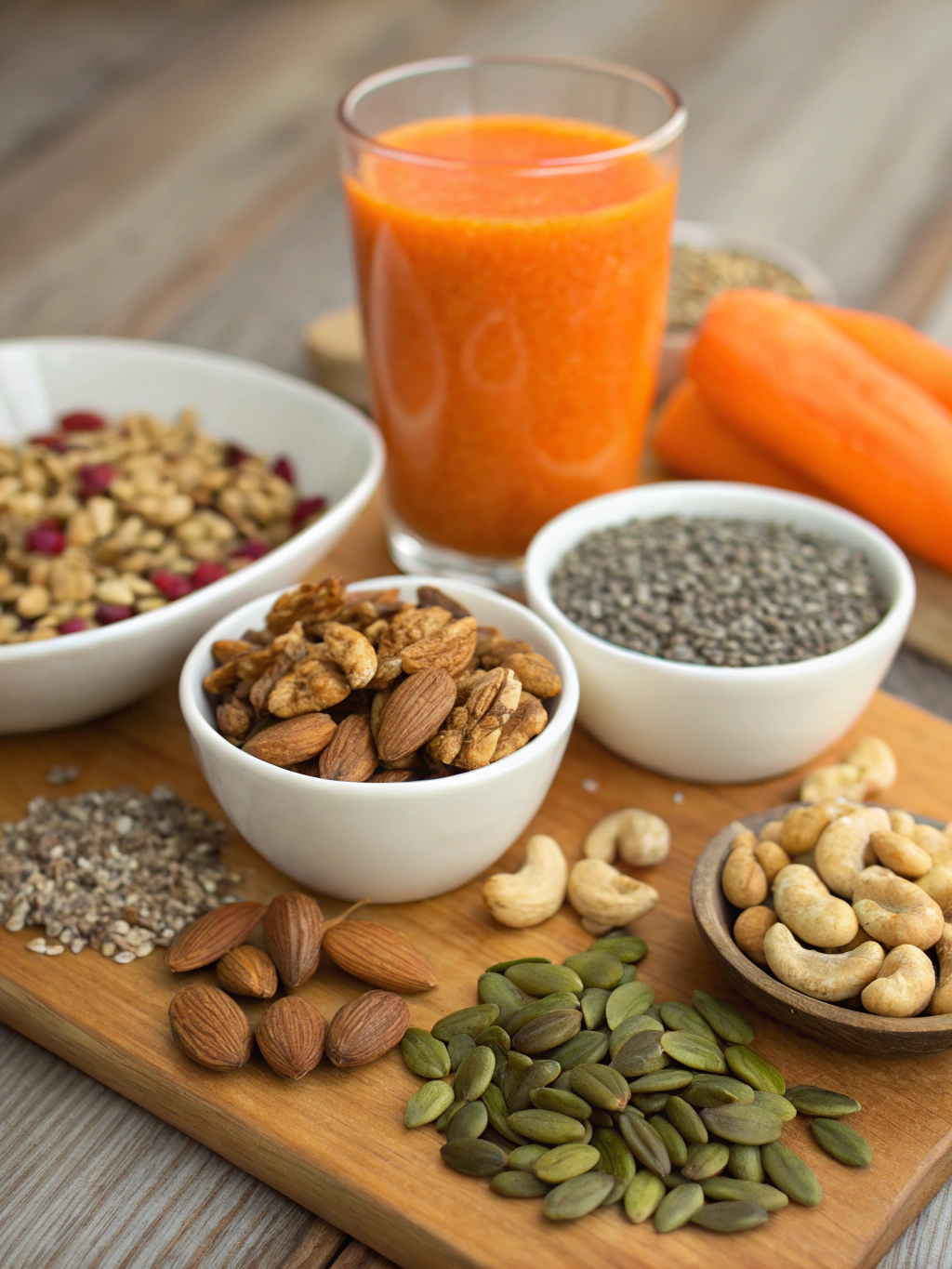
Here are the supplements I took. Please check your multivitamin before you add additional supplements as you may already be getting enough of certain things.
- Multivitamin that’s high in vitamin E, vitamin b1, vitamin b2, vitamin b6, vitamin b12, biotin, vitamin c, iodine, zinc & selenium.
- Vitamin K 100mcg if your multivitamin doesn’t include it. I also took Vitamin K2 100mcg, however if you eat meat this isn’t neccesary.
- Omega 3 1000mg EPA & 500mg DHA. (I don’t eat fish, but if you eat alot of fish you might not need to supplement).
- Vitamin D spray 3000ui
- Probiotics – 80 billion CFU from 18 different strains
- Folic acid as Methyfolate – 800mg
- Iron 32mg – Check if you’re getting enough from your multivitamin first before adding more.
- Choline 357mg. I increased this to 714mg once I found out I was pregnant.
- CoQ10 400mg – I stopped this as soon as I got my positive test
- Turmeric 500mg – Only take in your follicular phase up until ovulation day.
Here are some other supplements I took during my TTC journey that didn’t work for me:
- Vitex felt like a miracle. It shortened my extremely long follicular phase from 40+ days to around 32 days for two months in a row. I was hopeful and excited. But over time, I realized that Vitex is a very strong supplement, and if you’re someone with hormonal sensitivity (like I am), it might not be the right choice long-term. Eventually, I started feeling emotionally drained and noticed my cycles became a bit erratic again. Vitex didn’t feel supportive anymore—it felt like too much.
- Myo-Inositol is often recommended for PCOS and ovulation support, but for me, it just didn’t help. I didn’t feel any positive changes, and I later found out through research that if you don’t have insulin resistance or blood sugar-related PCOS, Myo-inositol might actually dull your LH (luteinizing hormone). And since I already had low LH, this may have made things worse.
- Magnesium – I found it didn’t help me feel less stressed or less tired, but when I found out I was pregnant, I put 25g of pumpkin seeds in my smoothie every day which is the daily amount I need, so no supplements needed.
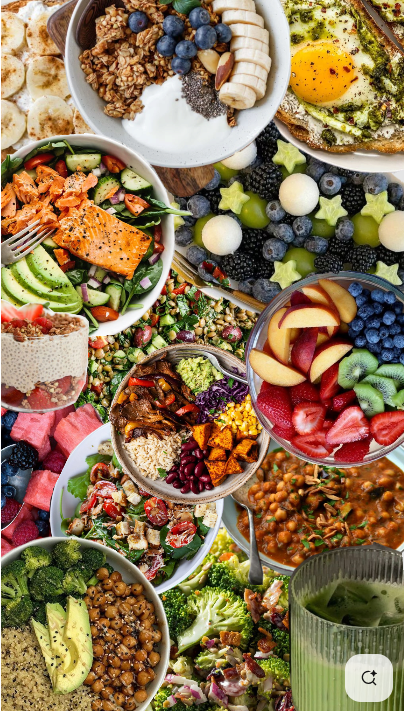
Fertility Superfoods to Include Daily alongside supplements
| Food | Fertility Benefit |
|---|---|
| Avocado | Healthy fats for hormone production |
| Leafy greens (spinach, kale) | Folate, magnesium, iron |
| Berries | Antioxidants to protect egg health |
| Nuts & seeds (especially pumpkin, flax, chia, sunflower) | Zinc, selenium, omega-3, hormone balancing |
| Lentils & beans | Plant protein + iron + fiber |
| Quinoa, oats, sweet potato | Slow-digesting carbs for blood sugar stability |
| Tofu, tempeh, edamame (organic) | Plant-based protein and phytoestrogens |
| Broccoli, cauliflower, Brussels sprouts | Liver support, estrogen detox |
| Olive oil, coconut oil | Anti-inflammatory healthy fats |
If you’re looking for the recipes I used, please check out: 5 Recipes That Helped Me Conceive My Rainbow Baby.
Final Thoughts
If you’re struggling to get pregnant after loss, please know you’re not alone. The road to your rainbow baby may not be straightforward, but there are things you can do to support your body, your heart, and your fertility.
It’s okay to grieve, to rest, and to try again when you’re ready. And if sharing my story helps even one woman feel less alone, then it’s worth it. Sending baby dust to all of you!
If this post resonated with you, I’d love to hear your story or answer your questions in the comments below.
