
If you’re trying to conceive, you’ve probably found yourself searching for every possible way to boost fertility naturally. That was me not too long ago. After experiencing long cycles for my whole life and an early miscarriage, I was desperate to find something gentle yet effective to support my body. That’s when I discovered seed cycling—a natural, food-based practice designed to help balance hormones and regulate cycles.
I committed to seed cycling for around six months, and just before I got my BFP (big fat positive), I truly felt that my body was healthier and more prepared for conception than it had ever been. I can’t say for sure that seed cycling was the only factor, but I wholeheartedly believe it played a big role in supporting my fertility journey. I think when you’ve been TTC for so long, you will try just about anything to get pregnant, and I believe this is one of those things that could benefit you a lot and takes little to no effort, so why not!
What Is Seed Cycling?
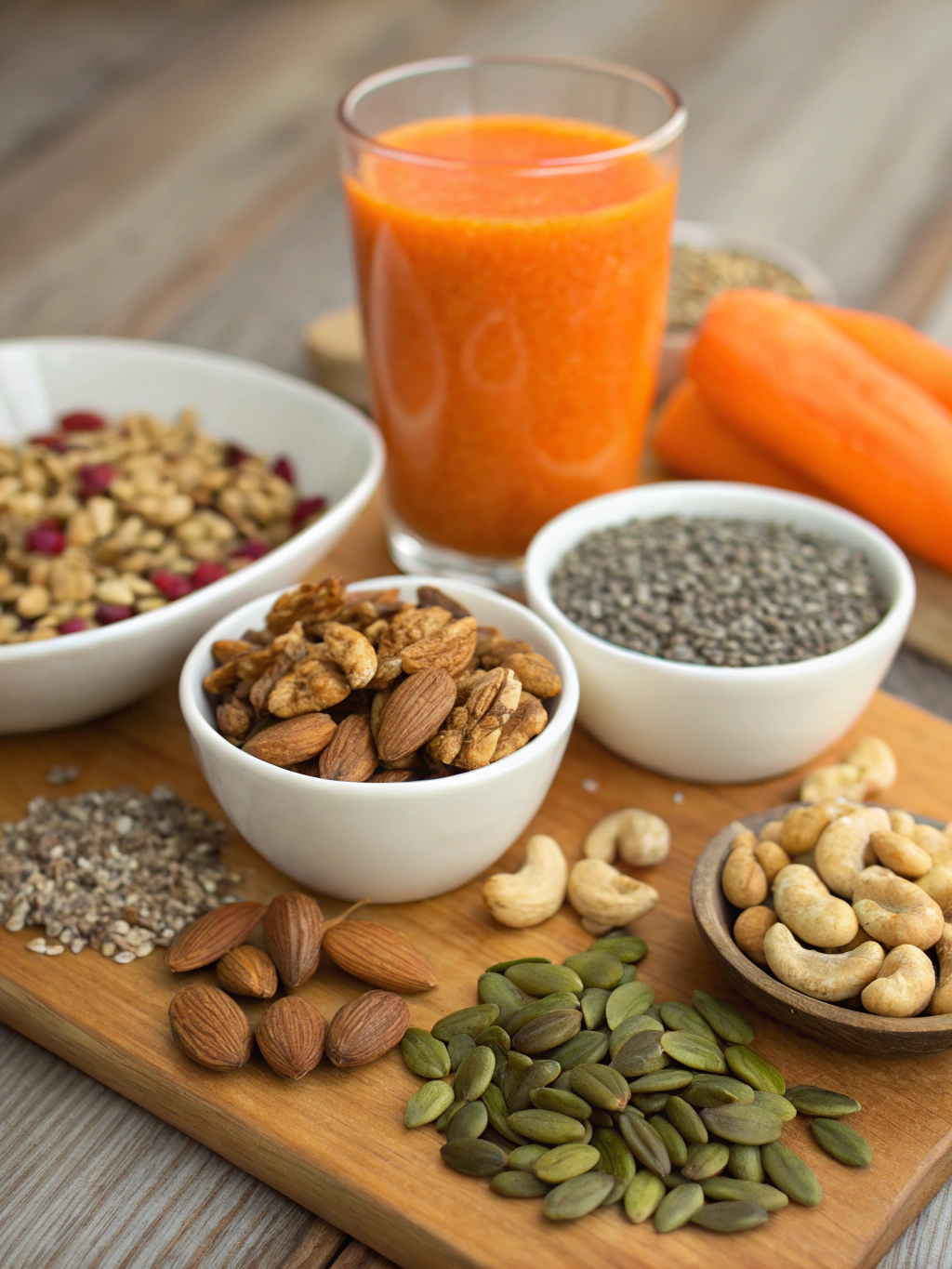
Seed cycling is a holistic practice where you eat specific seeds during different phases of your menstrual cycle to encourage hormonal balance. It’s a simple, natural method that uses the nutrients found in seeds—like zinc, magnesium, selenium, and essential fatty acids—to support estrogen and progesterone production at the right times of your cycle.
Here’s how it works:
- Follicular Phase (Day 1 to Ovulation):
Eat 1 tablespoon of ground flax seeds + 1 tablespoon of pumpkin seeds daily.
👉 These seeds are rich in phytoestrogens and zinc, which may help support healthy estrogen levels and prepare your body for ovulation. - Luteal Phase (Ovulation to Period):
Eat 1 tablespoon of ground sesame seeds + 1 tablespoon of sunflower seeds daily.
👉 These seeds provide selenium and vitamin E, which may help boost progesterone production and support implantation.
This simple rotation nourishes your body with the right nutrients at the right time, creating a natural rhythm that can encourage more balanced cycles.

Why Hormonal Balance Matters for Fertility
When you’re trying to conceive, balanced hormones are key. Estrogen helps your eggs mature and supports the thickening of the uterine lining, while progesterone stabilizes that lining after ovulation so a fertilized egg can implant. If either hormone is out of balance, it can lead to irregular cycles, difficulty ovulating, or early miscarriage.
Seed cycling may help by:
- Regulating Menstrual Cycles – Supporting estrogen and progesterone at the right times can make cycles more predictable, which makes tracking ovulation easier when you’re wondering how to get pregnant naturally.
- Encouraging Healthy Ovulation – Pumpkin and flax seeds provide nutrients like zinc, lignans, and omega-3s that can help with follicle development and egg quality.
- Improving Luteal Phase Health – Sunflower and sesame seeds support progesterone, which is vital for implantation and early pregnancy.
- Reducing PMS Symptoms – Balanced hormones often mean fewer mood swings, less bloating, and a smoother transition between cycle phases.
My Personal Experience with Seed Cycling
When I started seed cycling, I honestly didn’t expect much. It sounded too simple. But over time, I noticed subtle changes—my cycles became a little more predictable, my PMS symptoms eased, and I felt more balanced overall.
I stuck with the practice for around six months. It became part of my daily routine: sprinkling ground seeds into smoothies, soups, or even on top of salads. And then, one morning, I saw those two pink lines. My miracle rainbow baby.
Of course, fertility is influenced by many factors—diet, stress, lifestyle, and timing—but I truly believe that seed cycling was one of the tools that helped prepare my body for conception. It was a gentle, nourishing step that gave me back a sense of control during a difficult time.
My Daily Fertility Smoothie
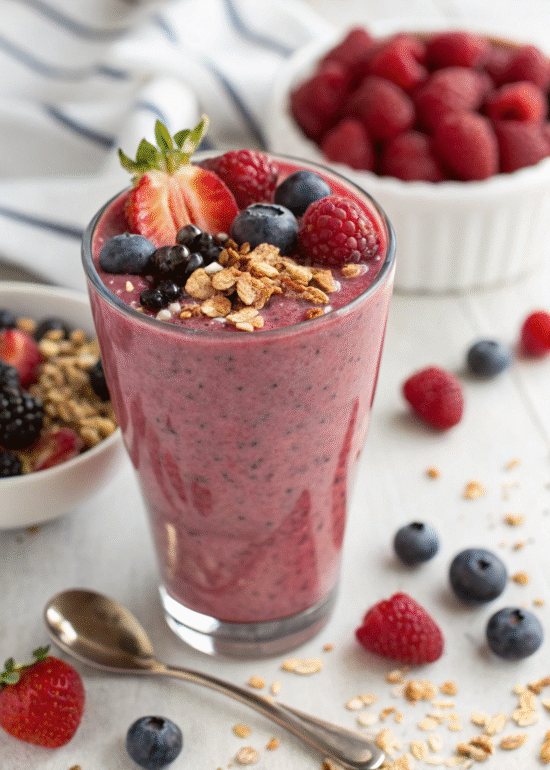
Alongside seed cycling, one of the most powerful habits I built into my routine was drinking the same high-protein berry smoothie every single day for six months. And no, it never got boring—it was delicious.
This smoothie wasn’t just about taste—it was packed with protein, fiber, and fertility-friendly nutrients that supported my hormones and kept my blood sugar stable. I added my ground seeds into it (depending on which phase of my cycle I was in), so it became the easiest way to stay consistent with seed cycling.
Making that smoothie every morning became part of my TTC routine, almost like a ritual. It gave me a sense of control in a journey that can sometimes feel completely out of our hands. Each time I blended it up, I knew I was doing something positive to naturally support my body for pregnancy.
When you’re trying to conceive, small daily choices really do add up. For me, this smoothie was more than just a meal—it was a reminder that I was nourishing my body with love, patience, and consistency.
Is Seed Cycling Right for You?
Seed cycling is a gentle, food-based practice that almost anyone can try, but it may be especially helpful if you’re dealing with:
- Long or irregular cycles – If your cycle often feels unpredictable, seed cycling can provide gentle hormonal support and help encourage a more regular rhythm.
- PCOS (Polycystic Ovary Syndrome) – Because PCOS is linked to hormone imbalance and irregular ovulation, adding fertility-friendly seeds may support estrogen and progesterone balance in a natural way.
- Hormonal imbalance symptoms – Such as PMS, mood swings, acne, or irregular bleeding.
- Post-birth control regulation – If you’ve recently come off the pill or another form of hormonal birth control, seed cycling can support your body’s natural hormone production.
- Trying to get pregnant naturally – Whether you’ve been TTC for months or are just beginning your journey, seed cycling is a simple step to help prepare your body for conception.
The best part? There are very few downsides. Seeds are nutrient-dense, affordable, and easy to add into your meals. Even if your cycles don’t shift immediately, you’re still nourishing your body with foods that support overall health, digestion, and hormone production.
What Does Science Say About Seed Cycling?
There isn’t a large body of scientific research specifically on seed cycling, but we do know a lot about the nutrients these seeds provide:
- Flax seeds contain lignans, plant compounds that mimic estrogen and may support healthy estrogen levels.
- Pumpkin seeds are rich in zinc, which is essential for reproductive health and ovulation.
- Sesame seeds provide calcium, magnesium, and lignans, all of which support progesterone production.
- Sunflower seeds are packed with vitamin E, an antioxidant that may improve luteal phase support and implantation.
So while seed cycling itself hasn’t been widely studied as a fertility protocol, the science on the nutrients is strong. Adding these seeds to your diet is a safe and nourishing way to support hormone health and overall fertility.
How to Start Seed Cycling for Fertility
If you’re ready to give seed cycling a try, here are a few tips:
- Always use ground seeds – Your body absorbs nutrients best when the seeds are ground. You can grind them fresh in a blender or coffee grinder.
- Incorporate them into meals – Add them to smoothies, sprinkle on porridge, mix into soups, or stir into yogurt.
- Stay consistent – The key is daily intake. Even if you miss a day here or there, just get back on track the next day.
- Pair with other fertility foods – Think leafy greens, legumes, avocado, berries, and omega-3 rich foods like walnuts or chia. Together, they form a fertility-friendly diet.
Seed Cycling and TTC: A Gentle Step Toward Getting Pregnant Naturally
When you’re trying to conceive, it can feel overwhelming. There’s so much advice out there, and it’s easy to feel pressured. What I loved about seed cycling is that it didn’t feel like another stressful “to-do.” It was a simple act of self-care that made me feel proactive and hopeful.
Even if seed cycling isn’t a magic solution, it’s a gentle and natural way to support your body while you’re on your TTC journey. And sometimes, it’s these small, consistent steps that add up to big changes.
Final Thoughts
If you’ve been wondering how to get pregnant naturally, seed cycling could be a powerful addition to your fertility toolkit. It’s simple, affordable, and nourishing—and while it may take time, it can help your body find the balance it needs to support conception.
For me, seed cycling was more than just a diet tweak—it was a daily reminder that I was supporting my body, giving it love and nourishment, and preparing myself for the pregnancy I dreamed of. And I’ll always believe that it was one of the reasons I finally saw my BFP.
✨ Have you tried seed cycling for fertility? Share your experience in the comments—I’d love to hear how it worked for you.
